Zodiac Killer Project
Charlie Shackleton · 2025 · 91 minutes
Nov. 9 · Regal 2 · 4:00 p.m.
Against the backdrop of deserted spaces, a filmmaker explores his abandoned Zodiac Killer documentary, delving into the true crime genre’s inner workings at a saturation point.
Programmer’s Note
Jumping on board the recent true-crime boom, British filmmaker Charlie Shackleton originally set out to explore a new perspective on one of America’s most notorious serial killers. As famously recounted in David Fincher’s star-studded Zodiac (2007), the Zodiac Killer terrorized the San Francisco Bay Area in the late-1960s, leaving five people dead and piquing the obsessive curiosity of countless amateur sleuths. Shackleton’s film would focus on Lyndon E. Lafferty, a former California Highway Patrolman whose book, The Zodiac Killer Cover-Up: The Silenced Badge (2012), proposed a new answer to the lingering question of the murderer’s identity. Shackleton did his research and began pre-production, and then Lafferty’s family denied him rights to the story.
So Shackleton instead made Zodiac Killer Project, a genuinely satisfying true-crime film that is also a kind of essay about true-crime films — our fascination with them, the business of exploitation, the cliches of the genre, and the pleasures of not knowing. The majority of Zodiac Killer Project is assembled from landscape shots that might be more at home in an experimental film, alongside b-role footage that will be familiar to anyone with a Netflix account: closeups of dripping blood, a cigarette perched on the side of an ash tray, spent shell casings falling to the ground in slow motion, and clips from a variety of true-crime shows that reveal just how formulaic the genre has become.
Shackleton comments on all of this in voice-over, occasionally breaking the fourth wall to reveal himself in a studio, recording the very words we’re hearing. Winner of the NEXT Innovator award at Sundance 2025, Zodiac Killer Project is a whip-smart, challenging, and often quite funny analysis of our collective fascination with darkness, a trend unlikely to end any time soon.
You Might Also Enjoy
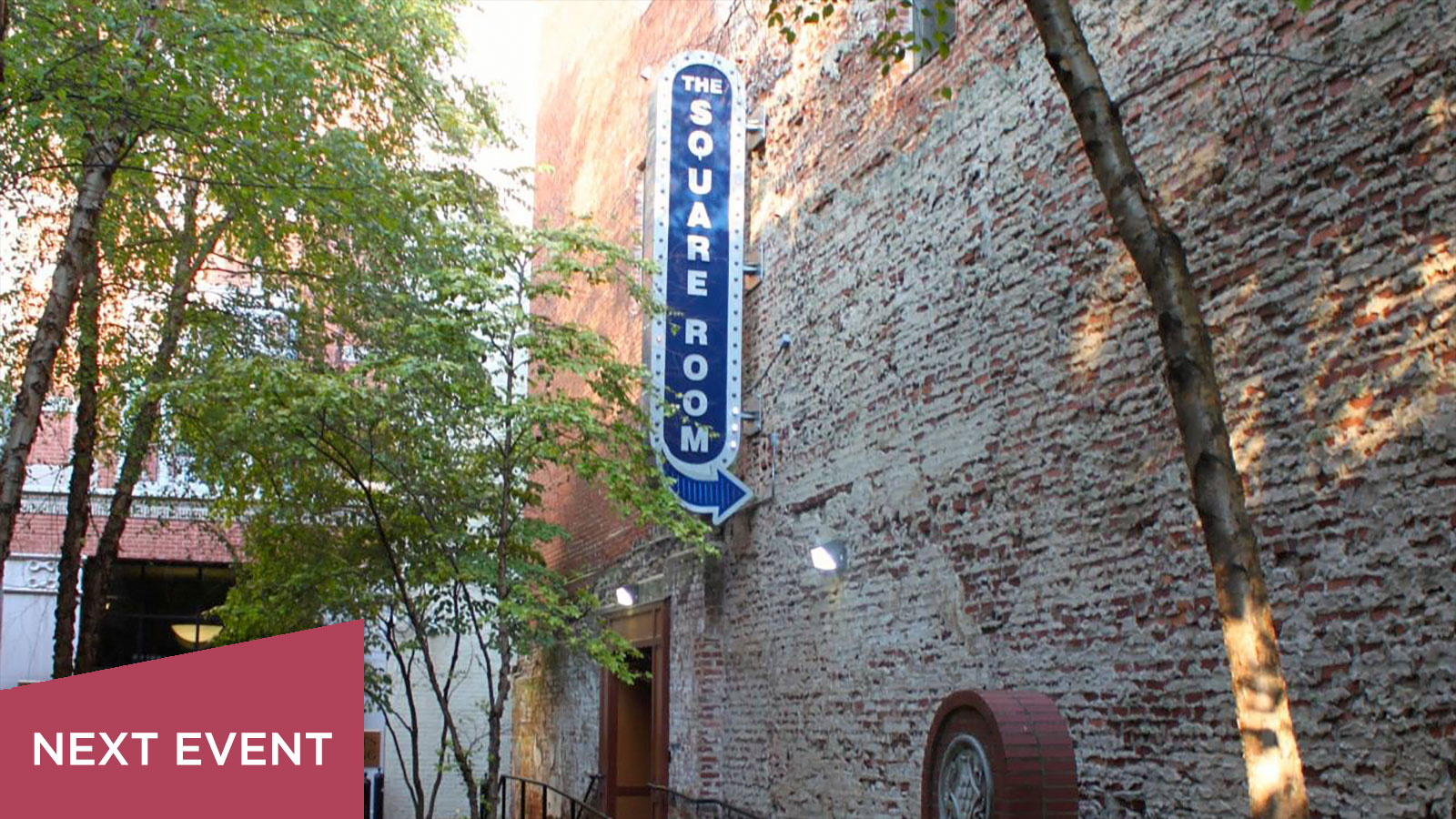
How to FEST
Free Event
Get a guided tour of the fest program and learn about the top 8 finalists in the Elev8or Pitch Competition.
Oct. 21 · The Square Room · 6:00 p.m.
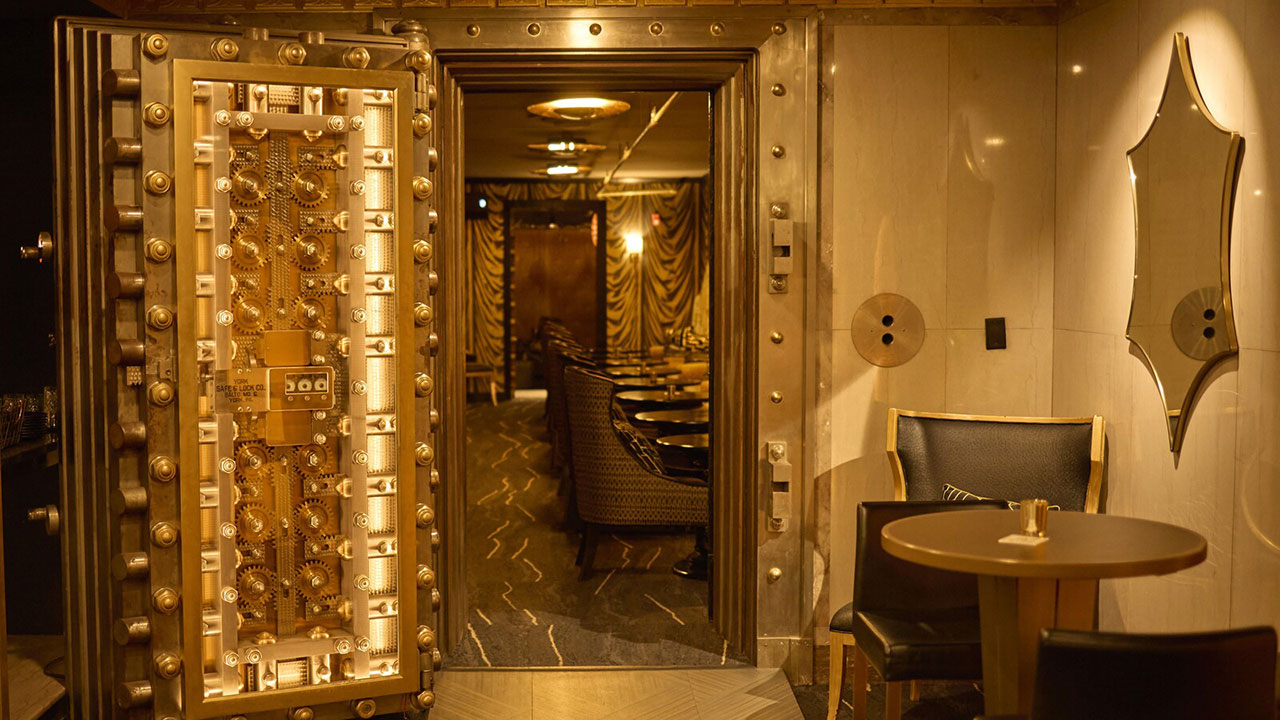
Opening Cocktail
VIP Passholders
Join us for an intimate evening at The Vault, a below-the-surface cocktail lounge reminiscent of old Hollywood.
Nov. 6 · The Vault · 5:00 p.m.
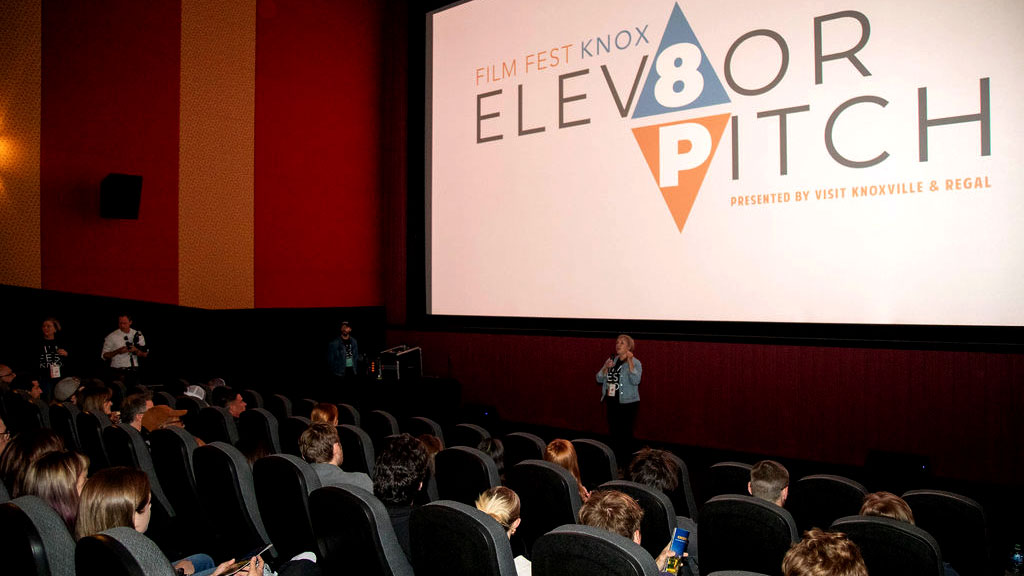
Elev8or Pitch Live Competition
Live Event
A screening of the top 8 films, followed by feature pitches and a Q&A with the jury.