
Young Mothers
Jean-Pierre and Luc Dardenne · 2025 · 105 minutes
Nov. 8 · Regal 1 · 7:15 p.m.
Five young mothers living in a shelter strive for a better future for themselves and kids amidst challenging upbringings.
Programmer’s Note
In the mid-1990s, Belgian brothers Jean-Pierre and Luc Dardenne abandoned their previous working methods and turned to a style that Luc called “realism stripped down to the bone.” Drawing on their early work as politically conscious documentarians, and inspired by the spare, elliptical, and spiritually resonant work of Robert Bresson, they tossed aside many of the conventions of commercial cinema — movie stars, sentimental music, genre cliches — and focused their attention, instead, on the socio-economic conditions of their home town, Seraing.
La Promesse (1996), the first film made in this new style, is a kind of moral tale that addresses the abuse of immigrant communities, and it looked like no other film released that year. La Promesse premiered to some acclaim in Directors’ Fortnight in Cannes, but it was the Dardennes’ follow-up, the Palm D’or winning Rosetta (1999), that announced the arrival of filmmakers who would significantly shape international art cinema of the 21st century. (They would win Cannes’s top prize again in 2005 for The Child.)
Young Mothers, the tenth of the Dardennes’ social realist films, is set at a home for teenage mothers, where nurses and social workers provide prenatal care, along with training and support after the babies are born. Much of the film follows five young women in various states of crisis — addiction, poverty, abuse, and generational cycles of neglect. But, as with all of the Dardennes’s best films, there’s nothing scolding or didactic about Young Mothers. The actresses are all remarkable, every one of them, and the stories they embody are heartbreakingly beautiful.
You Might Also Enjoy
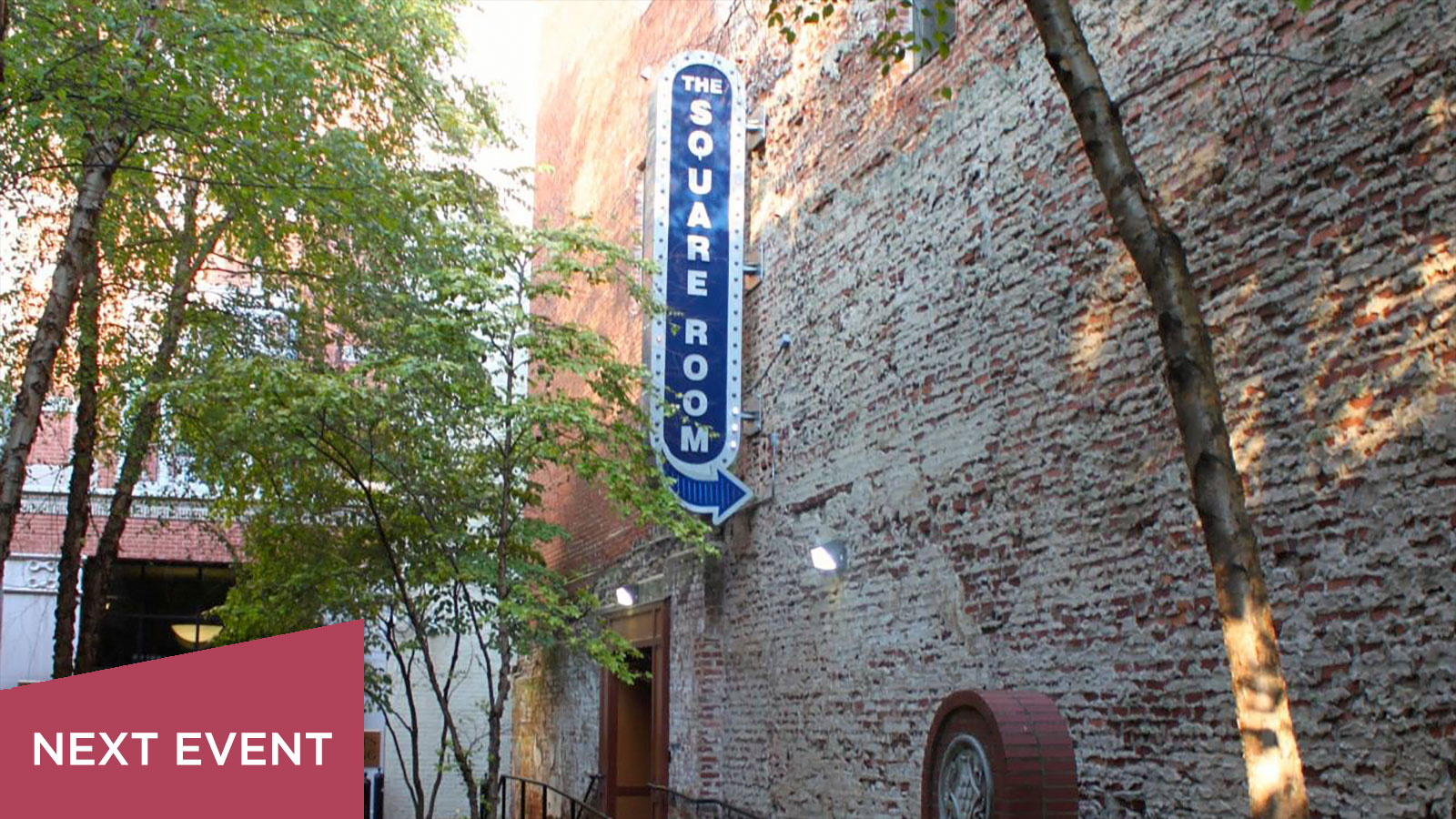
How to FEST
Free Event
Get a guided tour of the fest program and learn about the top 8 finalists in the Elev8or Pitch Competition.
Oct. 21 · The Square Room · 6:00 p.m.
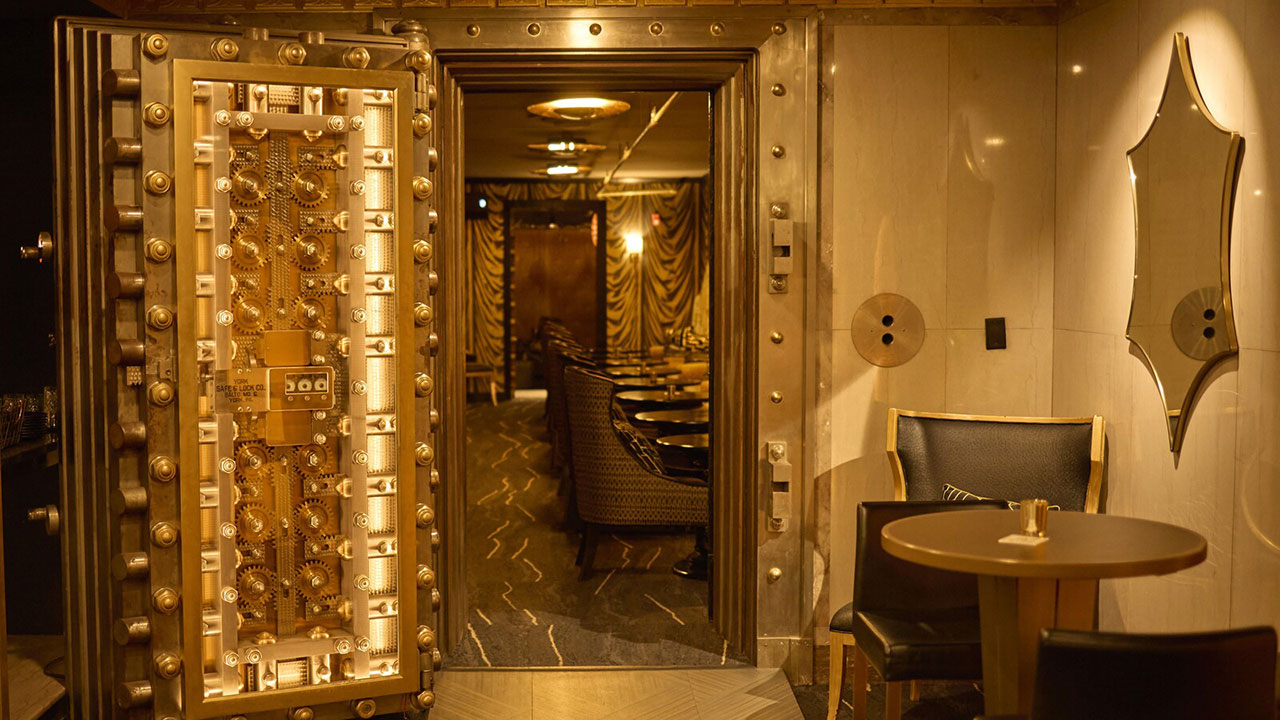
Opening Cocktail
VIP Passholders
Join us for an intimate evening at The Vault, a below-the-surface cocktail lounge reminiscent of old Hollywood.
Nov. 6 · The Vault · 5:00 p.m.
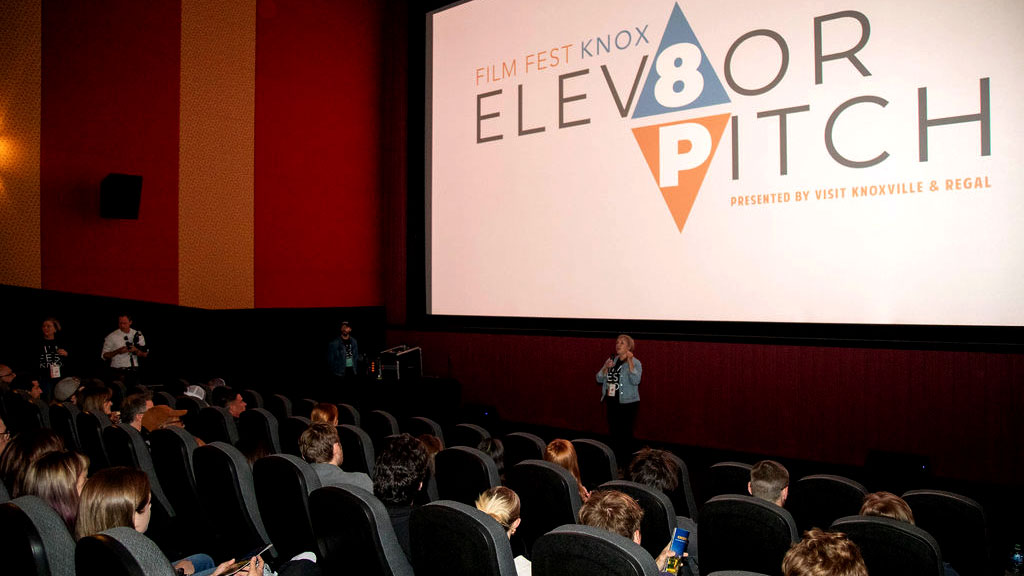
Elev8or Pitch Live Competition
Live Event
A screening of the top 8 films, followed by feature pitches and a Q&A with the jury.