
Spring Night Summer Night
Joseph L. Anderson · 1967 · 82 minutes
Nov. 7 · Regal 2 · 5:45 p.m.
Jessica, the eldest daughter of a coal miner-turned-farmer, has a fling with her half-brother Carl, which complicates things more when she becomes pregnant.
Programmer’s Note
The list of great films made in and about Appalachia is frustratingly short. At Film Fest Knox 2024 we screened one of the masterpieces, Barbara Loden’s Wanda (1970), and there are a handful of others — Barbara Kopple’s Oscar-winning documentary, Harlan County, USA (1976), Karl Brown’s silent Stark Love (1927), and John Sayles’s Matewan (1987). The best Hollywood production is probably Elia Kazan’s Wild River (1960), about the flooding of a town by the TVA, which was shot southwest of here on the Hiawassee, in and around Cleveland and Dayton, Tennessee.
To treat this region with seriousness requires serious engagement with the economic legacies of post-Civil War expansion, the exploitive extraction of natural resources that followed, and the still-lingering consequences of those policies. The temptation to reduce the people of Appalachia to ignorant hillbillies of low morals, rather than inheritors of unsafe labor practices and too little opportunity, still proves irresistible to outsiders, it seems. John Boorman’s Deliverance (1972), for example, is a riveting horror film that traffics in ugly stereotypes, and don’t get me started on Ron Howard’s Hillbilly Elegy (2020).
Which makes an interesting test case of Joseph L. Anderson’s Spring Night Summer Night, a film whose basic plot is so cliched and exploitative that, after Anderson was unable to find wide distribution, his producers convinced Anderson to shoot new sex scenes, recut it as Miss Jessica is Pregnant, and released it on the grindhouse circuit. The version we’re screening was restored and reconstructed in 2018 by Peter Conheim and Ross Lipman of the Cinema Preservation Alliance, and presents Anderson’s original, sympathetic portrait of characters born into cruel conditions from which there’s no easy escape. John Crawford’s barroom monologue alone makes Spring Night Summer Night a classic of Appalachia cinema.
You Might Also Enjoy
How to FEST
Free Event
Get a guided tour of the fest program and learn about the top 8 finalists in the Elev8or Pitch Competition.
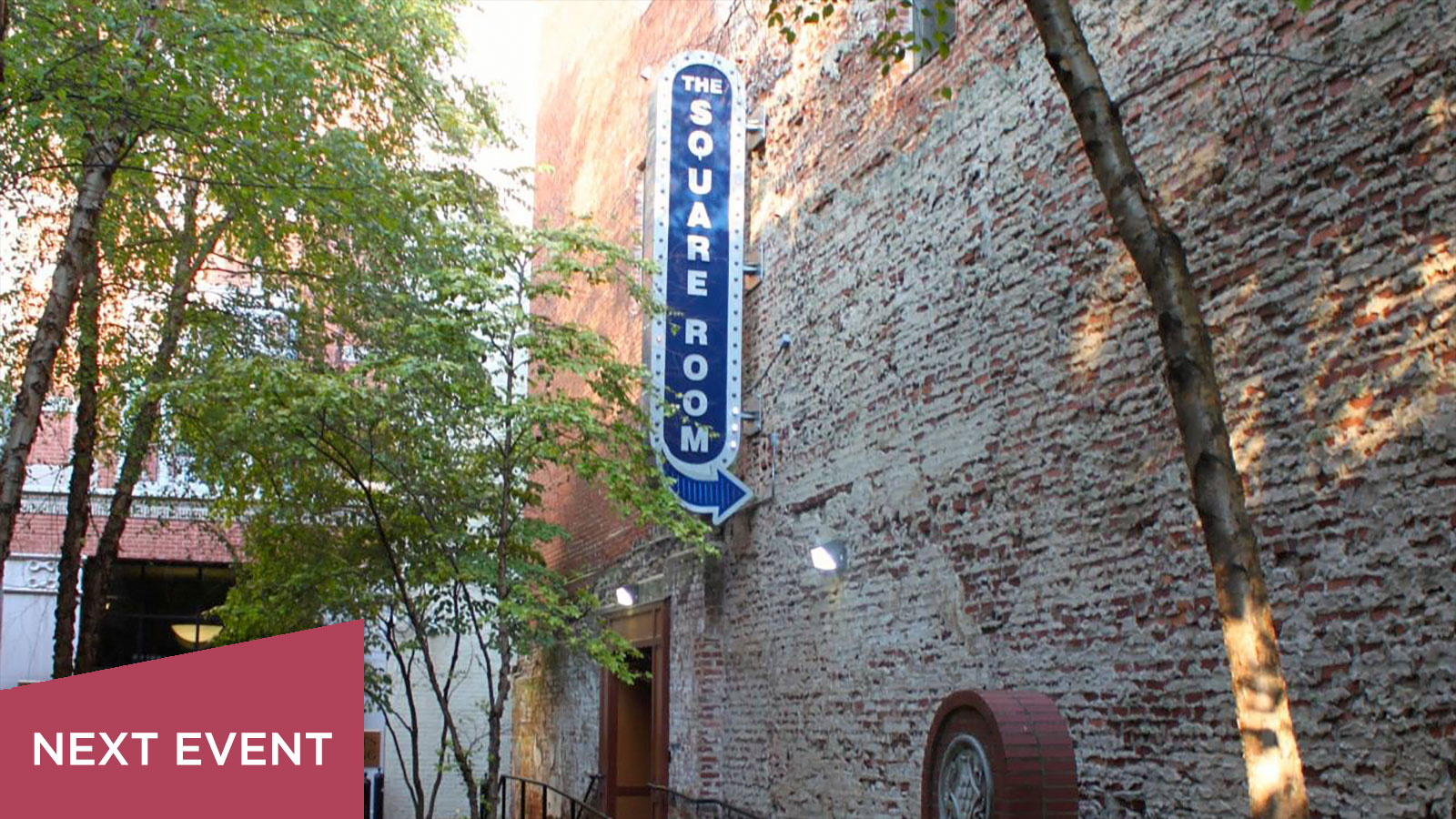
Oct. 21 · The Square Room · 6:00 p.m.

Opening Cocktail
VIP Passholders
Join us for an intimate evening at The Vault, a below-the-surface cocktail lounge reminiscent of old Hollywood.
Nov. 6 · The Vault · 5:00 p.m.

Elev8or Pitch Live Competition
Live Event
A screening of the top 8 films, followed by feature pitches and a Q&A with the jury.