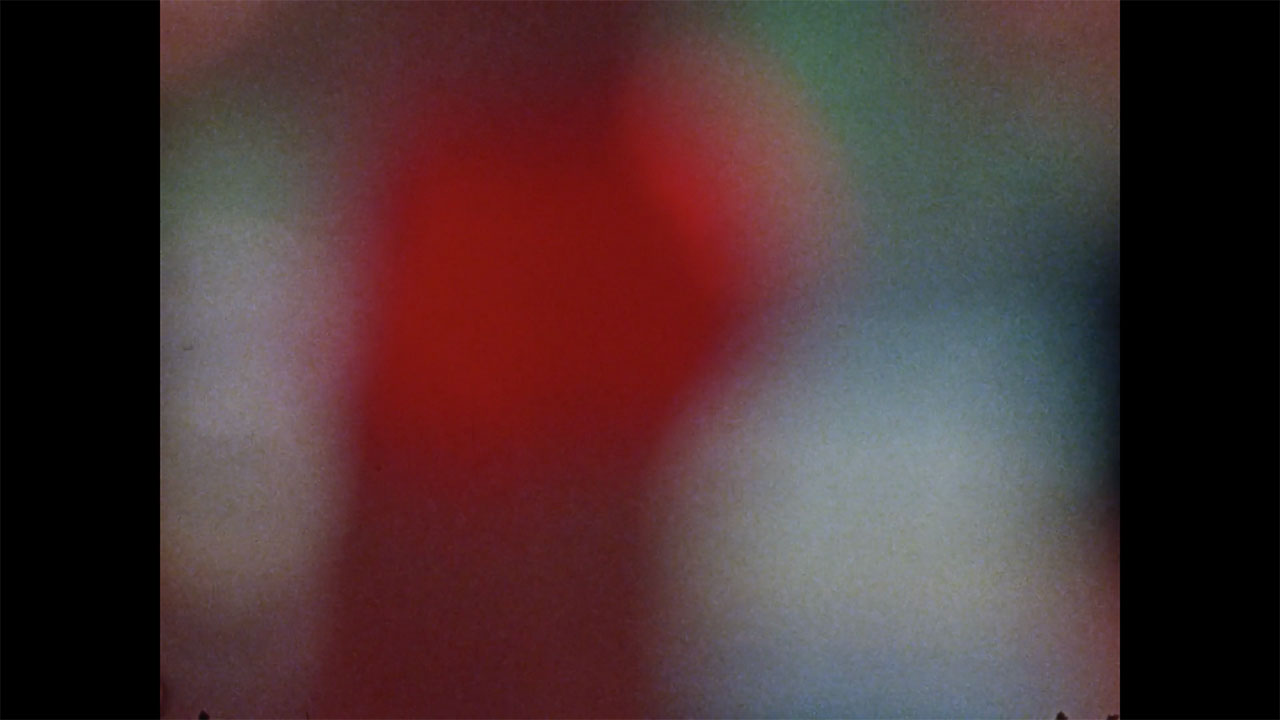
“Peter Bundy, of Minneapolis, is another filmmaker whose work is rooted in structure, but his films are spare and lean and, in mood, suggestive of e.e. cummings or Robert Creeley’s poetry. Stoked with color, nuance and reverberation, they provide a long, steady, slow burn for the eyeballs.” — Wendy Brabner, Spiral (1984)
That Peter Bundy was a subject of interest in the first issue of Spiral is testament to the quality of the eighteen short films he completed during his years as an independent filmmaker, roughly 1976 to 1990. Published by Terry Cannon, founder of the Pasadena Filmforum (later, Los Angeles Filmforum), Spiral was, by Cannon’s later admission, “more of an artwork or conceptual piece” than a proper journal. Every copy was hand-produced on cheap printers, and the entire operation ran on proceeds from a couple hundred subscribers, one of whom was Stan Brakhage. While Spiral only lasted for two years and nine issues, it featured many of the most important film artists and writers of the era, including Fred Camper, Oskar Fischinger, Pat O’Neill, Malcolm Le Grice, Tom Gunning, Bruce Conner, Barbara Hammer, Betzy Bromberg, and Scott Stark (whose recent film, Tulsa, is screening at Film Fest Knox), among many others.
Bundy was born on Halloween 1949 in Boston and grew up in Manchester-on-the-Sea before leaving home to attend the Groton School. In their remembrance of Bundy, two of his Groton formmates (class of ’68) mention that he’d had an up close and personal view of the nation’s tensions in those years, as two of his uncles were advisors on Vietnam to presidents Kennedy and Johnson. (Bundy himself was a conscientious objector.)
After graduation, Bundy left Massachusetts for Minnesota, where he earned a BA at Carleton College, followed by a master’s in film production from the University of Iowa. He would spend the rest of his life in the midwest, teaching for several years at Carleton and at Film in the Cities, an innovative filmmaker-led organization that, from 1970 to 1993, cultivated film arts in the Minneapolis-St. Paul area by providing access to equipment, grant money, workshops, and professional instruction.
To watch Bundy’s films is to get a glimpse into the financial infrastructure that supported independent regional cinema in those years. In a 1980 interview with The Minnesota Daily he ticked off the costs of exposing and developing three minutes of 16mm film ($40) and the rough cost of completing a 10-minute short ($1,300). “You’d never make a living at it, unless audiences change radically,” he said. Bundy supplemented his income with grants and fellowships, especially in the early years. The nine films we’re screening at Film Fest Knox were supported variously by the South Carolina Arts Commission, the Alabama Filmmakers Co-op, the Alabama State Council on the Arts, the National Endowment for the Arts, the Jerome Foundation, Film in the Cities, and an Artists Fellowship from the Bush Foundation.
As Wendy Brabner mentions in Spiral, much of Bundy’s work is in conversation with the structural film movement of the day, meaning that, rather than telling stories or creating narrative pleasure for the audience, he instead draws attention to the material of cinema — the size and shape of the frame, the duration and focal length of each shot, the connection or disconnection between sound and image, the plastic quality of celluloid. A classic example of structural film is Michael Snow’s masterpiece Wavelength (1967), which is essentially a slow, 45-minute zoom-in to a photo hanging on the opposite side of a large loft, synched to the sound of an oscillator that begins at a low hum and very gradually increases pitch until the end of the film. (It’s much more thrilling than it sounds!)
Underbridge (1978) is a useful example of Bundy’s approach. Anticipating Peter Hutton’s Time and Tide (2000), Bundy shoots passing ships through cope holes of the Memphis-Arkansas Bridge, creating a second “frame” for the image made of steel and rivets. Because of the long-duration shots, audiences are allowed time to orient themselves to the unfamiliar sights and sounds, only gradually realizing that the camera and microphone (and their operator) must be perched within or on top of the bridge’s structure.
The title of this program, “Edited Documents,” was borrowed from a title card in one the films because Bundy considered himself a documentarian of sorts. We see this most directly in the shorts that include interviews, particularly Alabama Departure, To and from Childhood … A Portrait (in which we see and hear Bundy himself), and Wyoming Passage. Bundy is clearly as interested in the faces of his subjects as he is with their stories. He proves a sympathetic interviewer and a curious explorer of Appalachia, the South, and the Midwest.
In the mid-‘1980s Bundy turned to screenwriting, completing six scripts, one of which, Arabella (1985), was a finalist in the early days of the Sundance Institute. However, he soon left filmmaking and shifted his attention, instead, to land management and forest restoration, which would be his focus for the remainder of his career. To quote his 2020 obituary, during his 25 years as President of Mosconomo Forestry, Bundy assisted “public and private land owners in the Lake States how to best care for their land,” while also publishing three books on the topic.
Bundy’s films were recently acquired by the Walker Art Center in Minneapolis. We are grateful to the Ruben/Bentson Moving Image Collection for making this rare screening possible, with a special thank you to curator Patricia Ledesma Villon. We are also deeply grateful to Nancy Stalnaker Bundy, Peter’s widow, for her generosity in sharing material for these notes.
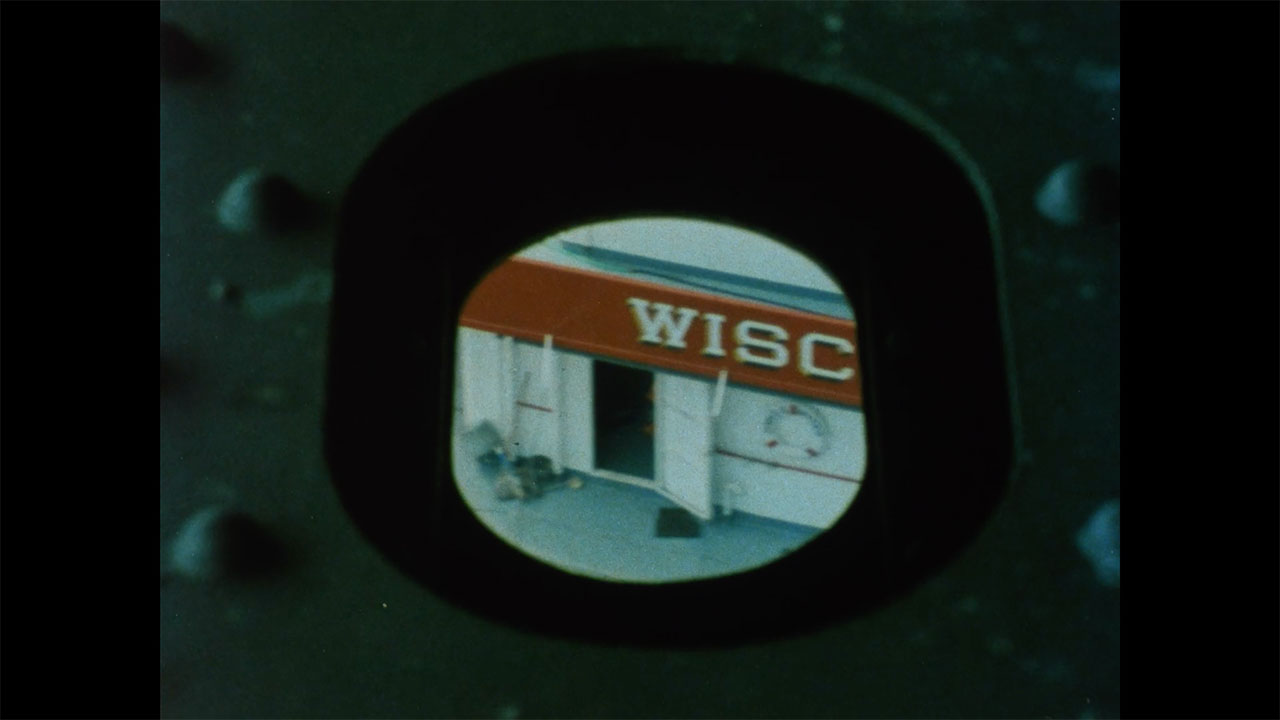
Underbridge
Dir. by Peter Bundy and Stanley Woodward
Ships pass under the Memphis-Arkansas Bridge, while cars pass over.Nov. 8 · Regal 2 · 11:30 a.m.
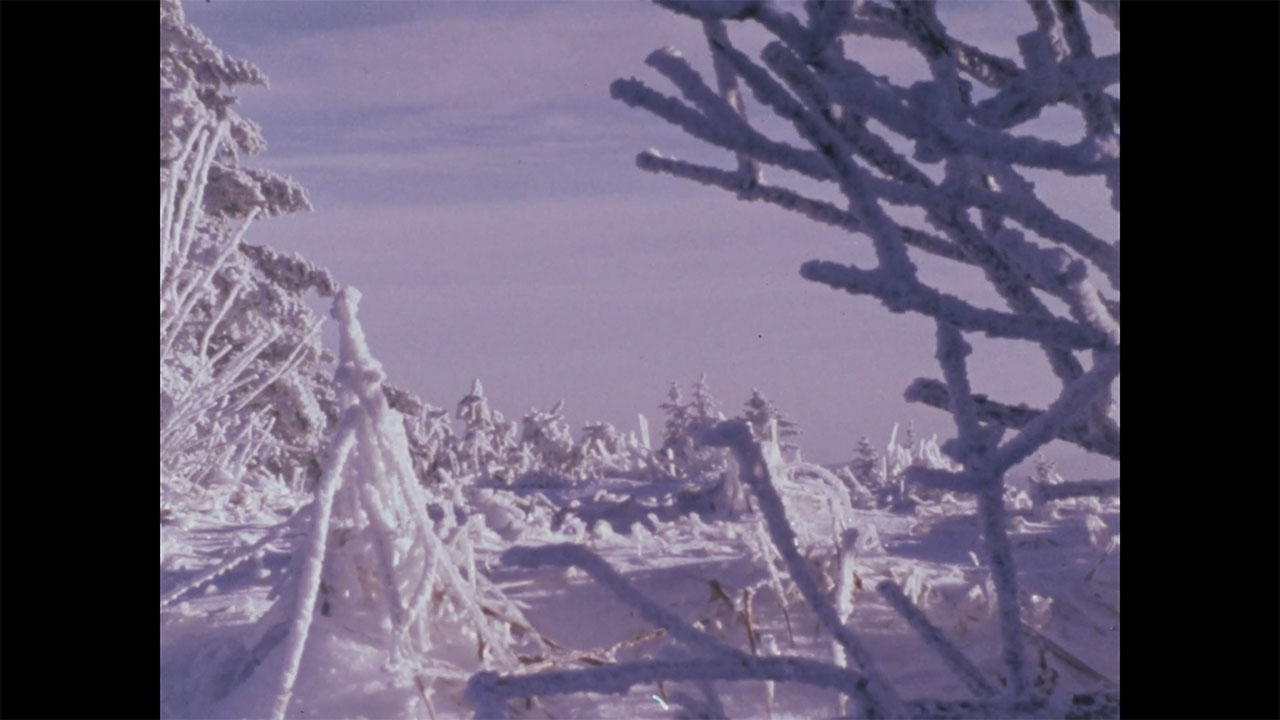
Roan Mountain Eulogy
Dir. by Peter Bundy
Appalachian skies and landscapes become objects of contemplation.Nov. 8 · Regal 2 · 11:30 a.m.
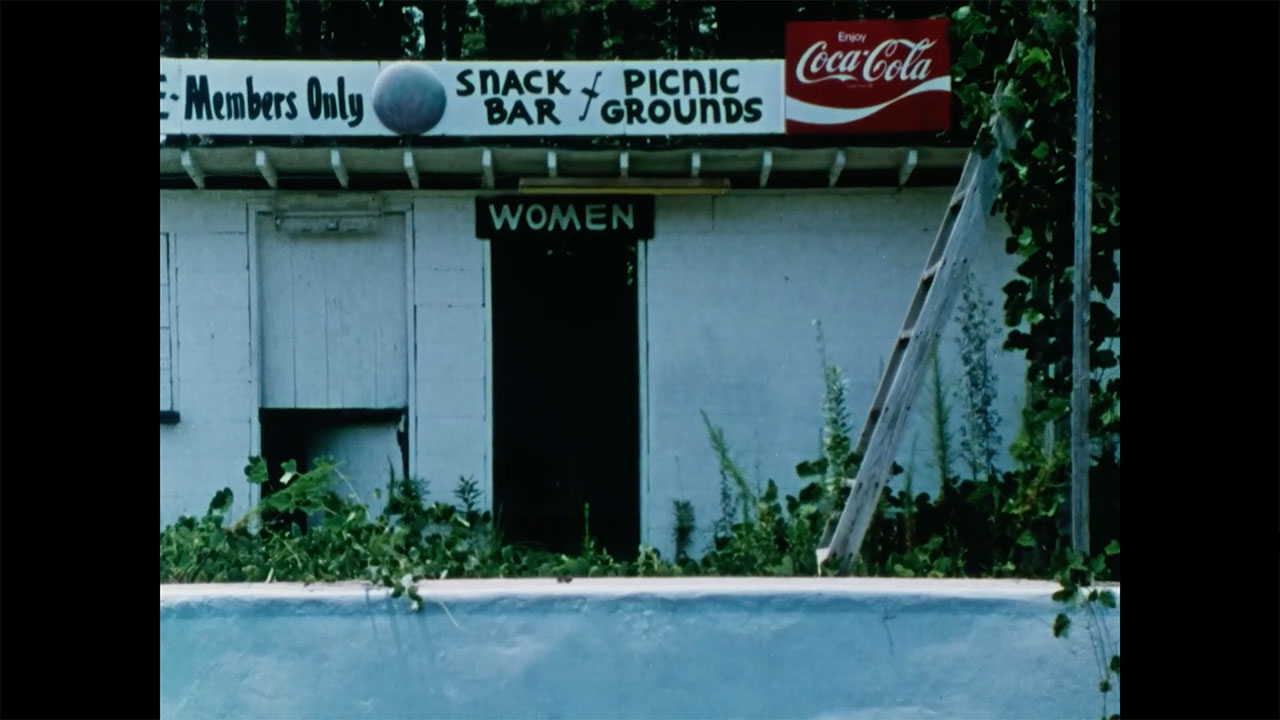
Alabama Departure
Dir. by Peter Bundy
“I like a meeting that’s lively—all get up and sing." A poetic ramble through southern Alabama, from the dancing fish of Dauphin Island to the singing insects of Coffeeville.Nov. 8 · Regal 2 · 11:30 a.m.
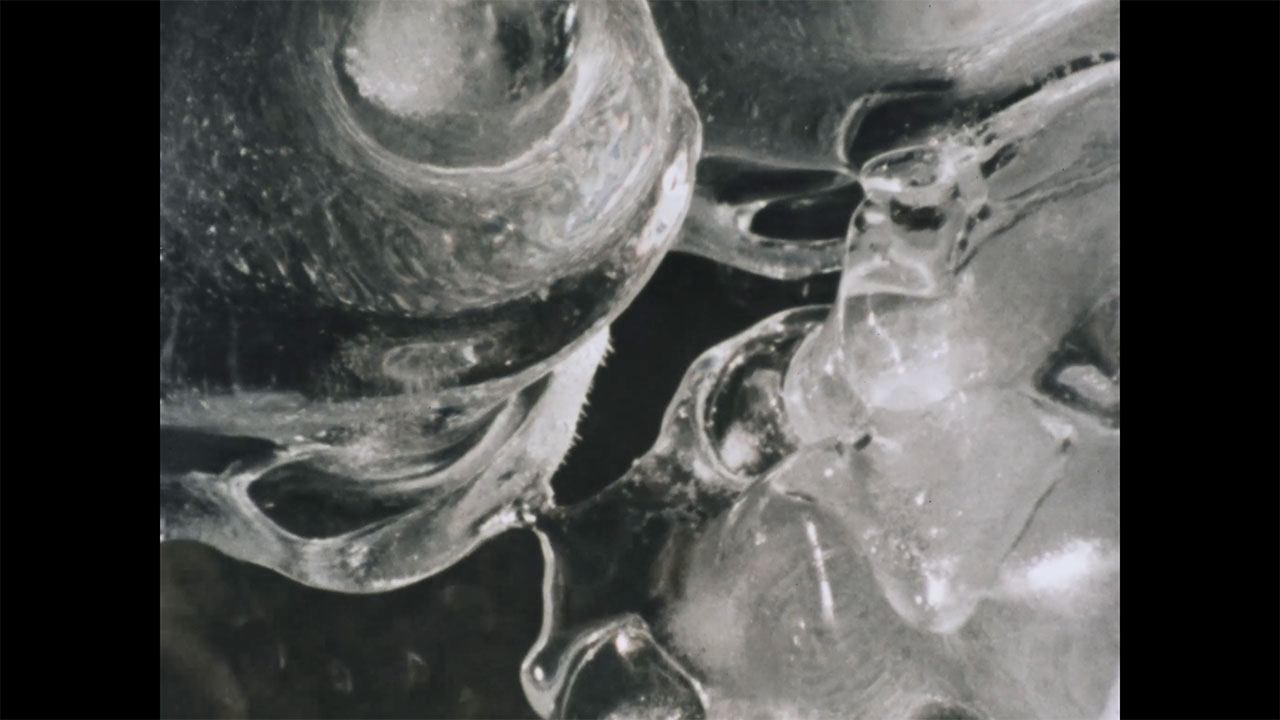
Laurel Fork
Dir. by Peter Bundy
The mesmerizing abstraction of melting ice.Nov. 8 · Regal 2 · 11:30 a.m.
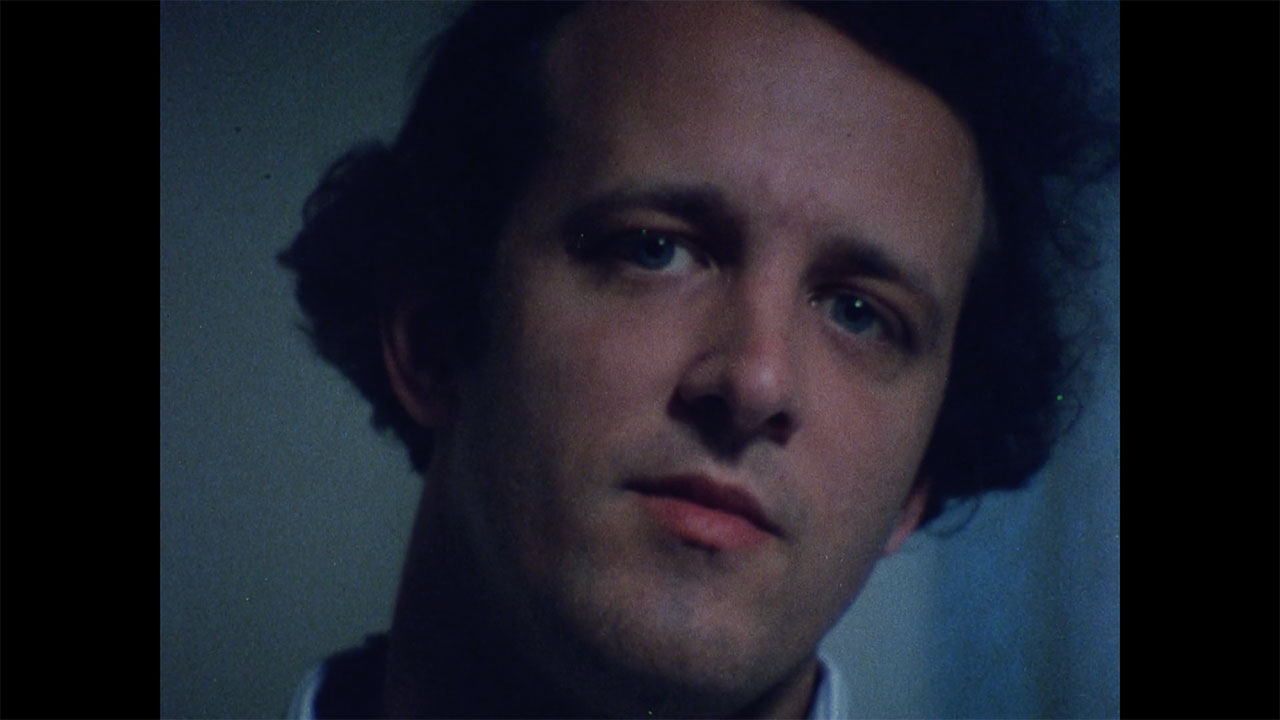
To and from Childhood … A Portrait
Dir. by Peter Bundy
"I never tried to know myself. 'Finding yourself!' Those are the words I don't understand, you see?"Nov. 8 · Regal 2 · 11:30 a.m.
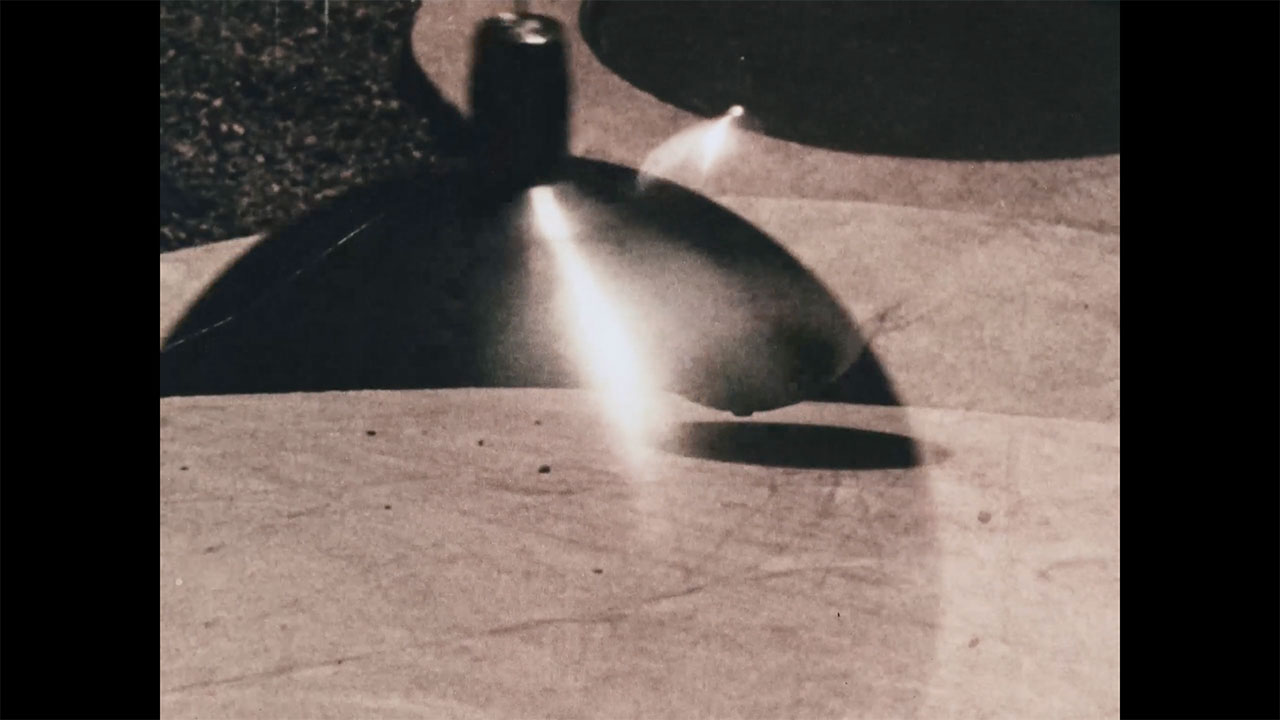
Pendulum
Dir. by Peter Bundy and Jan Millsapps
Close-up photography and double exposures turn a swinging pendulum into Cubist-like design.Nov. 8 · Regal 2 · 11:30 a.m.
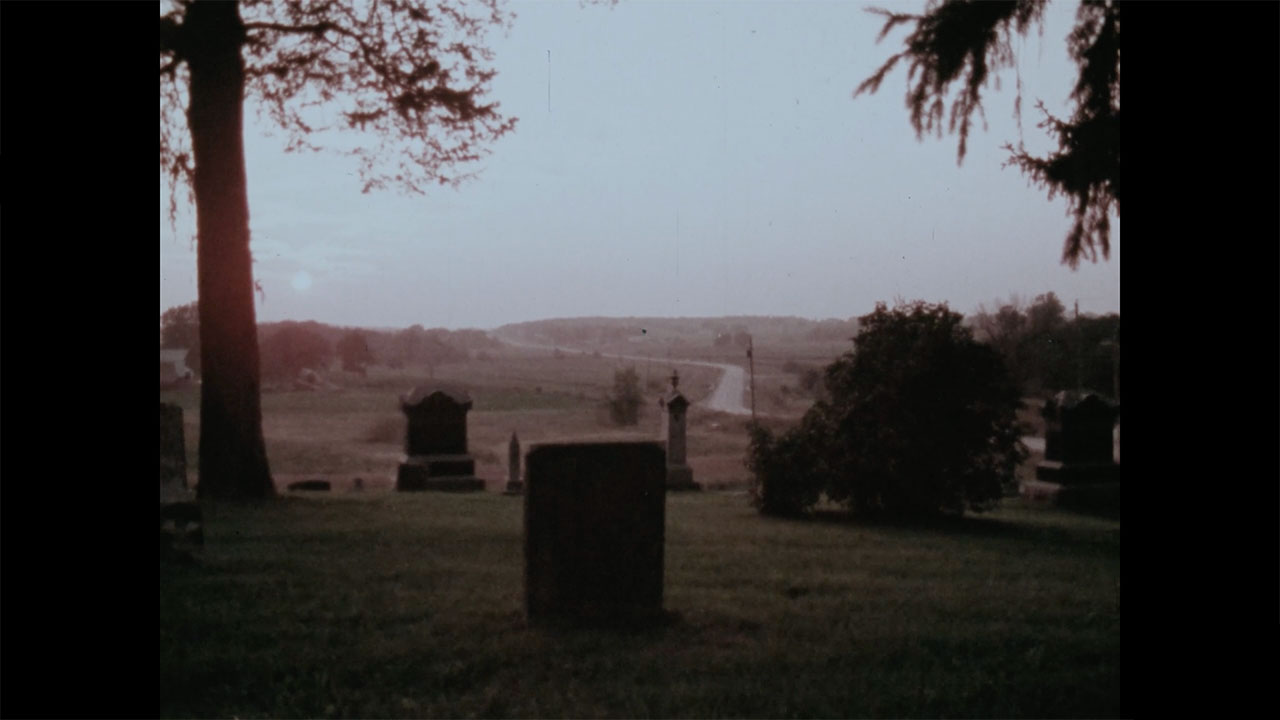
State Highway
Dir. by Peter Bundy
"When a sound can replace an image, cut the image or neutralize it. The ear goes more toward the within, the eye toward the outer." - Robert BressonNov. 8 · Regal 2 · 11:30 a.m.
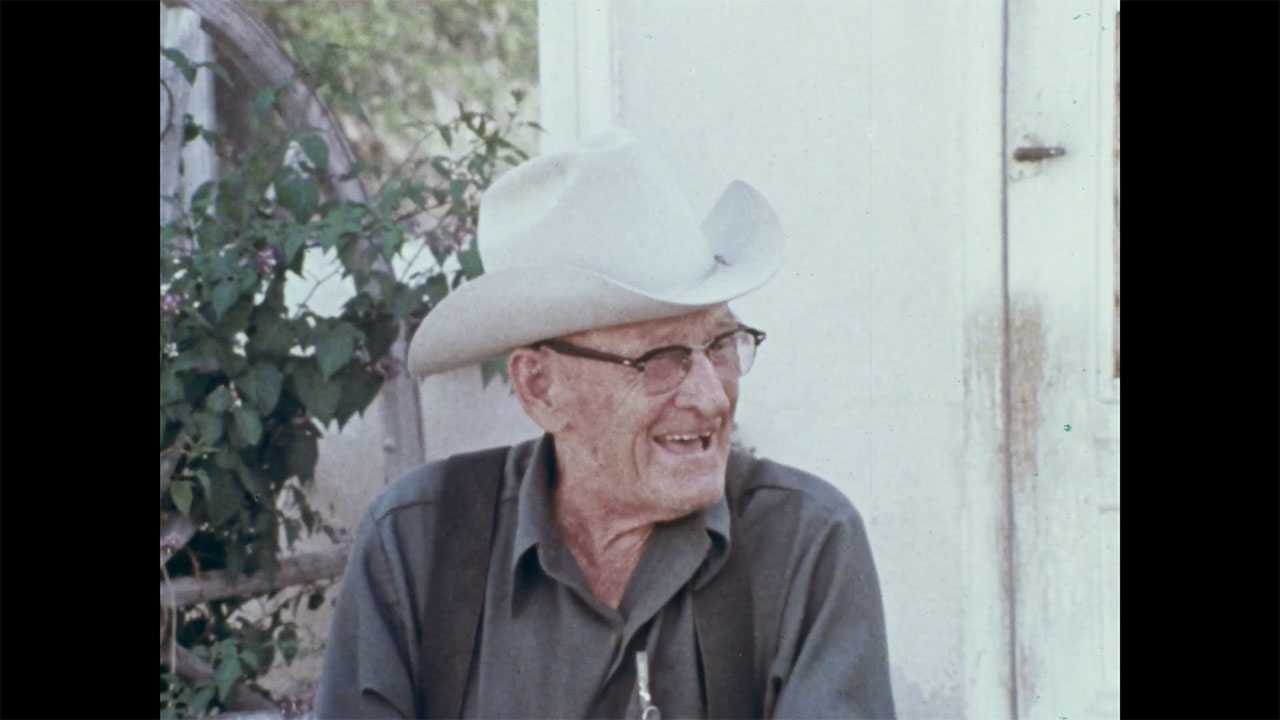
Wyoming Passage
Dir. by Peter Bundy
"By God, you wanted the change, and now you got it!" A trip through the rolling hills of Wyoming, with a stop at Old Faithful.Nov. 8 · Regal 2 · 11:30 a.m.